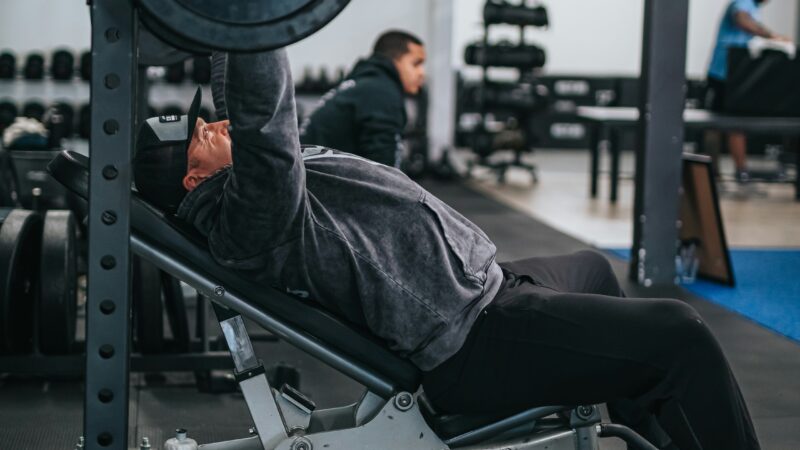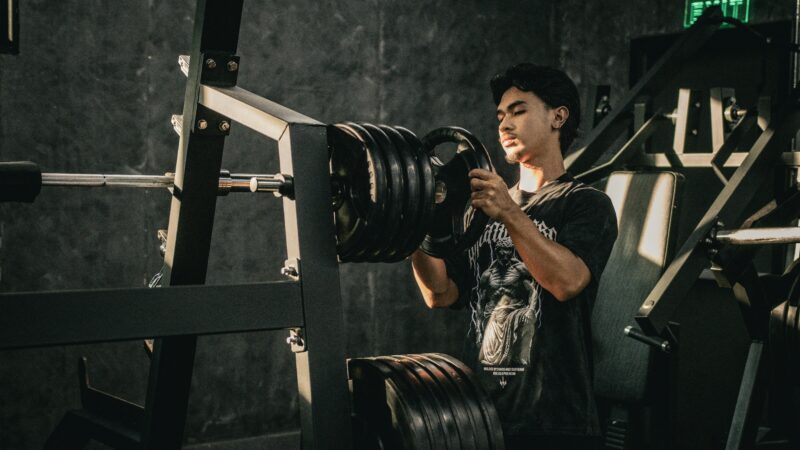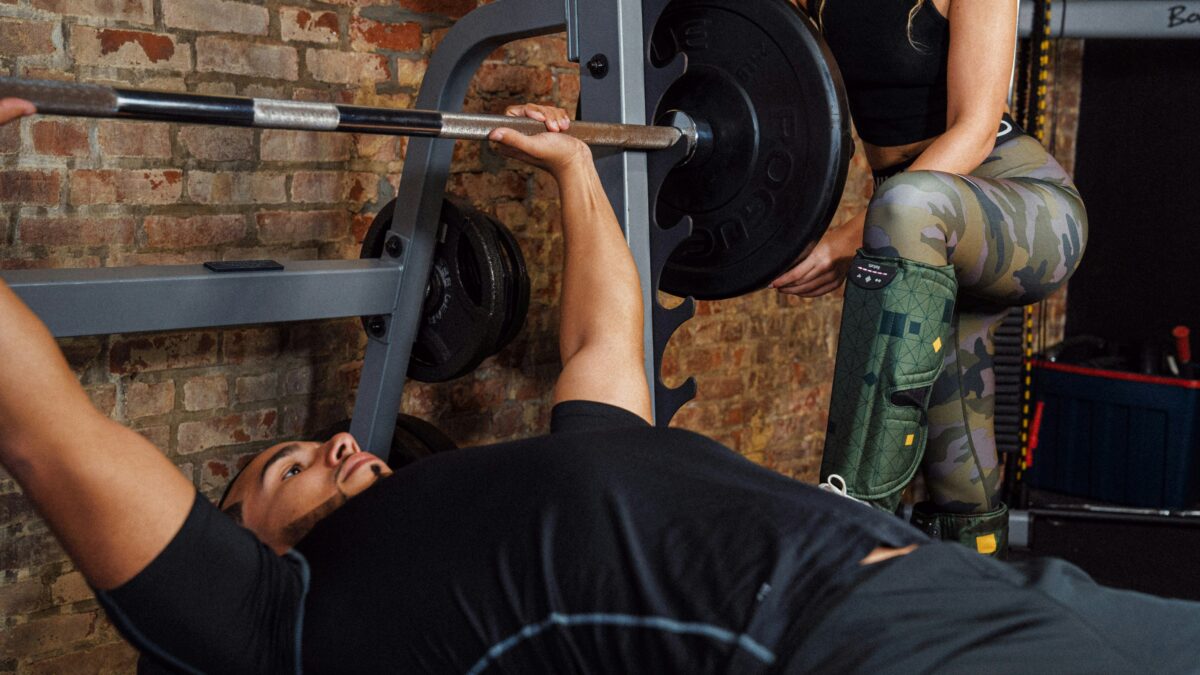
You’ve been there. The pre-workout is hitting, your CNS is primed, and you’re ready to smash a heavy set on the bench. You load up the plates, chalk up, and get under the bar.
You unrack the weight, start the descent, and BAM—that familiar, sharp, stabbing sensation right in the front of your delt. You rack the bar in disgust, realizing today is another chest day derailed by nagging joints. If you’re actively looking to fix bench press shoulder pain, you’re exactly where you need to be.
Look, I’m a strength coach, not a doctor. Obligatory disclaimer: If your shoulder is fully blown out or you suspect a tear, go see a physical therapist. But if you’re dealing with that annoying, pinch-like impingement that’s holding back your 1RM, we’re gonna sort it out right now.
Stop icing it and hoping for the best. Let’s look at the actual biomechanics of why your shoulders are throwing a tantrum and how to permanently bulletproof your pressing mechanics.
Why Your Shoulders Are Screaming on the Bench
When you bench with terrible mechanics, you turn a chest-building compound lift into a highly efficient rotator cuff destroyer. The shoulder joint is incredibly mobile, which means it’s inherently unstable.
Most guys walk into the gym, lie flat on the pad like a wet noodle, flare their elbows straight out, and just heave the bar up and down. This flat-back, flared-elbow setup closes down the subacromial space in your shoulder joint.
Every time you press, you are literally grinding your bicep tendon and rotator cuff against the bone. Do this enough times with heavy loads, and you’ll be popping ibuprofen like candy just to get through a warm-up.
The “Guillotine” Mistake
Old-school bodybuilding mags popularized the “Guillotine Press” back in the day. The idea was to flare the elbows 90 degrees and touch the bar to the collarbones to maximize pec stretch. Sure, it stretches the pecs, but it also annihilates the shoulder capsule.
If you aren’t chemically enhanced with the joint recovery of a mutant, this style of pressing will eventually break you down. You need to leverage your skeletal structure, not fight it.
The Ultimate Checklist to Fix Bench Press Shoulder Pain
If you wanna move serious weight pain-free, you need to completely rebuild your setup. Benching isn’t just an upper-body movement; it’s a full-body mechanical wedge.
1. Pin Your Scaps Like Your Life Depends On It
Before you even unrack the bar, your upper back needs to be locked in tight. I’m talking about scapular retraction and depression. Squeeze your shoulder blades together like you’re trying to crush a walnut between them, and pull them down into your back pockets.
This creates a massive, stable shelf on the bench pad. It also forcefully opens up the joint space in the front of your shoulder, taking the tension off the anterior delt and shifting the load onto the pecs and triceps.
2. Nail the Unrack (Don’t Lose Your Tightness)
One of the biggest mistakes intermediate lifters make is losing their tight back position the second they unrack the weight. They push their shoulders up off the bench to clear the pins.
Never press the bar out of the rack. Instead, pull the bar out using your lats, almost like a straight-arm pullover. Better yet, swallow your pride and ask for a hand-off. A good lift-off keeps your scaps pinned so you start the lift in a perfectly locked-in position.
3. Tuck the Elbows (The 45-Degree Rule)
To successfully fix bench press shoulder pain, you must stop flaring your elbows to 90 degrees. You also don’t want them tucked at 0 degrees rubbing against your ribs—that’s a triceps isolation movement.
Aim for a 45 to 60-degree angle relative to your torso. This elbow tuck keeps the bar directly over your wrists and forearms vertically stacked, which transfers maximum force from your chest while keeping the shoulder capsule safe.
4. Master the J-Curve Bar Path
If you’re pressing the bar in a perfectly straight vertical line, you’re doing it wrong. The bar path for a raw, natural lifter should look like a slight “J” or an arc.
- The Descent: Bring the bar down in a straight line to your lower sternum or upper abs (depending on your arch and arm length).
- The Press: Drive the bar up and slightly backward toward your face, finishing with the bar stacked over your shoulder joints.
This arc utilizes your chest and front delts in their strongest, safest biomechanical alignment. Pressing straight up over the sternum leaves the bar essentially hanging in no man’s land, putting insane torque on the shoulder joint.
Immediate Workarounds to Keep Training
Sometimes the joint is already inflamed and just needs a break from full ROM barbell pressing to cool down. You don’t have to skip chest day, but you do need to be smart.
Swap to the Floor Press or Spoto Press
If the bottom portion of the bench press is what triggers your pain, cut the range of motion temporarily. The Floor Press naturally stops your elbows from going past your torso, preventing the deep stretch that aggravates the shoulder.
The Spoto Press is another killer variation. You pause the bar about an inch or two above your chest before pressing back up. It forces you to stay brutally tight at the bottom and builds insane reversal strength without wrecking your shoulders.
Utilize Dumbbells with a Neutral Grip
A barbell locks your hands into full pronation, which can sometimes limit shoulder mechanics. Grab a pair of dumbbells and use a neutral grip (palms facing each other) or a slight 45-degree angle. This allows your shoulder joints to track naturally and often eliminates impingement pain instantly.
Accessory Work to Bulletproof Your Shoulders
If you want to permanently fix bench press shoulder pain, you can’t just bench. You have to build an ironclad upper back. For every pressing movement you do, you should be doing two pulling movements. If your front delts and pecs are overpowering your rear delts and rhomboids, your posture will round forward, making impingement inevitable.
Face Pulls: The Holy Grail for Shoulders
Stop doing face pulls with heavy weight and terrible form. This isn’t an ego lift. Grab a rope attachment on the cable machine, step back, and pull the rope toward your nose.
As you pull, externally rotate your hands so you’re hitting a double-bicep pose at the end of the movement. Hold the contraction for a solid second. This builds the rear delts and lower traps, keeping your shoulders naturally pulled back.
Heavy Horizontal Rows
Barbell rows, dumbbell rows, and chest-supported rows are mandatory. You need a thick, dense upper back to absorb the load when you unrack a heavy barbell. Treat your heavy rows with the same intensity as your heavy bench.
🔥 Elite Coach Pro-Tip: The “Bulletproof Shoulder” Protocol
Do you wanna stop getting injured and actually make progress? Implement this quick circuit twice a week at the end of your upper body or push days to feed the rotator cuffs and build structural balance:
- Cable Face Pulls: 3 sets of 15-20 reps (2 RIR). Focus on a 1-second pause at maximum external rotation.
- Chest-Supported DB Rear Delt Flyes: 3 sets of 15 reps (1 RIR). Keep the pinkies pointed up.
- Band Pull-Aparts: 100 total reps spread throughout your bench press warm-up.
Rest 60-90 seconds between sets. Keep the weight light. Chase the pump, not the PR on these.
Wrap Up: Respect the Mechanics
Getting stapled by a heavy weight sucks, but being sidelined by a preventable injury is worse. You don’t have to live with nagging anterior delt pain every time you bench. Fix your setup, build a massive arch by retracting your scaps, tuck your elbows, and master the J-curve.
Start treating your accessory work like it’s a main compound lift. Feed the upper back, baby the rotator cuffs, and give your shoulders the structural support they need to move heavy iron. Put these tweaks into practice on your next chest day, stay brutally tight, and go smash those PRs.