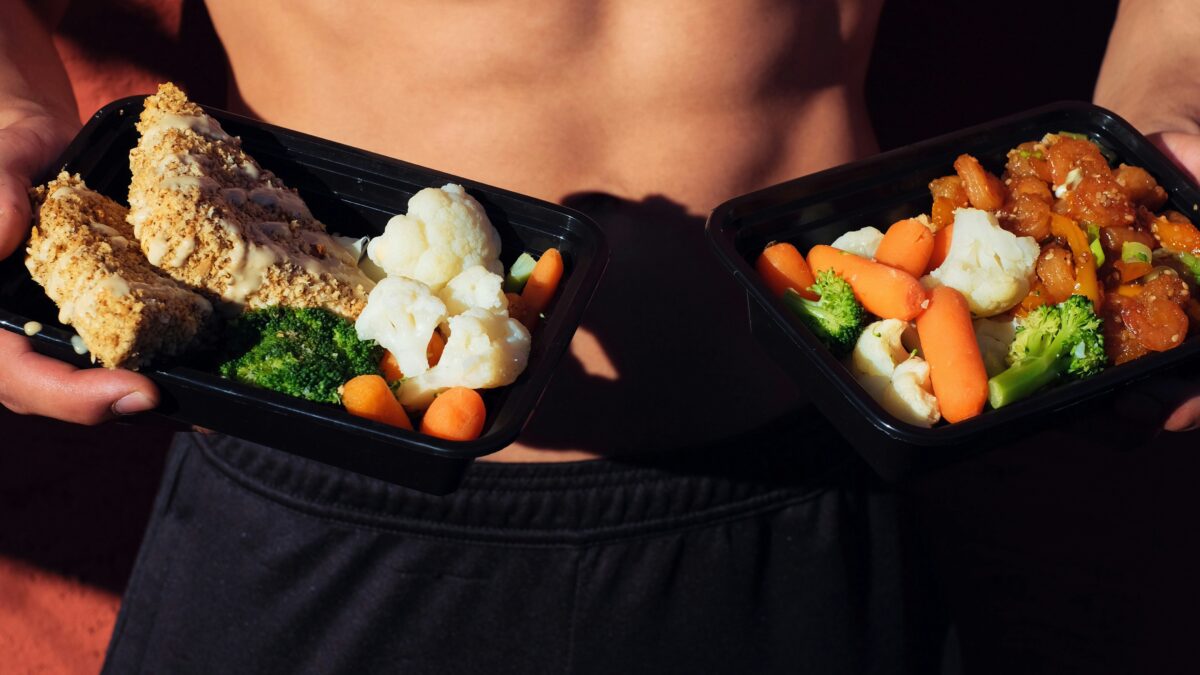
You’ve got your training locked in. Your tracking app is loaded, your meal prep containers are stacked, and you’re ready to finally shred down and reveal that hard-earned muscle. But then, reality hits at 6:30 PM. You walk into the kitchen, and instead of the grilled chicken and broccoli you need for your macro targets, there’s a massive dish of cheesy lasagna, garlic bread, and a family that expects you to sit down and eat with them.
It’s a brutal spot to be in. You want to hit your fat loss goals, but you also don’t want to be the social pariah who sits at the dinner table weighing out plain tilapia while everyone else enjoys a home-cooked feast. You shouldn’t have to choose between your fitness PRs and your family time. Knowing how to diet around family meals is the ultimate survival skill for the intermediate lifter who lives in the real world.
The truth is, you don’t need to cook two separate dinners or force your spouse and kids to live on egg whites and sweet potatoes. You just need a tactical approach to execution. Let’s break down the exact, battle-tested strategies to hit your deficit while keeping the peace at home.
The Dilemma of the Shared Dinner Table
When you’re trying to drop body fat, consistency is your highest priority. As a seasoned lifter, you know that a caloric deficit is non-negotiable. But when your family isn’t on a fat-loss journey, dinner time becomes an absolute minefield of hidden fats, calorie-dense sauces, and peer pressure.
If you handle this wrong, two things happen: either you blow your macros every single night and stall your progress, or you alienate your loved ones by acting like a rigid, obsessive robot. Neither option is sustainable. To win this game, you have to learn how to diet around family meals by treating dinner as a flexible variable, adjusting the rest of your day to accommodate it.
Strategy 1: Reverse-Engineer Your Daily Macros
Stop trying to force dinner to fit into a rigid, pre-planned macro template. Instead, work backward. If you know family dinner is going to be higher in fat and carbohydrates, you need to budget for it ahead of time.
Think of your daily caloric allowance like a bank account. If you know you’re gonna spend a big chunk of change at dinner, you need to save your pennies during the day. Here is how you structure your morning and afternoon meals:
- Prioritize Protein Early: Hit your protein targets hard in meals one and two. Lean sources like egg whites, whey isolate, and chicken breast keep your muscle-mass protected while leaving your fat and carb budgets wide open.
- Save Your Fats and Carbs: Keep your pre-dinner meals exceptionally lean. Focus on high-volume, low-calorie foods like massive green salads, spinach, and cucumbers to manage hunger without burning through your macros.
- Create a Buffer: Bank at least 40% to 50% of your daily calorie allowance for that evening meal. This gives you the flexibility to eat what the family eats without crushing your deficit.
Strategy 2: Deconstruct the Family Meal
You don’t need a completely different menu to stay on track. Most family dinners can be easily deconstructed into individual components. This allows you to control your portions of the high-calorie elements while still eating the exact same base food as everyone else.
How to Diet Around Family Meals Using Deconstruction:
Imagine your family is having taco night. Instead of crushing four fully-loaded flour tacos with sour cream and guacamole, you adapt. Grab a massive bowl, throw down a bed of shredded lettuce or spinach, and top it with the seasoned taco meat. Skip the shells, use a fraction of the cheese, swap the sour cream for non-fat Greek yogurt, and load up on salsa. You’re still eating tacos with the family, but your version is a high-protein, low-calorie powerhouse.
If the meal is a classic meat, starch, and vegetable setup, the fix is even easier. Fill half your plate with the vegetables first. Take a modest portion of the protein, and use a disciplined hand when scooping the starchy sides like mashed potatoes or pasta. You are eating the exact same meal, just with altered ratios that serve your body composition goals.
Coach’s Note: Watch out for the hidden fats. If your partner or parents cook with heavy oils and butter, ask them to leave your portion of meat or veggies in the pan before they glaze the rest, or simply account for an extra 10–15 grams of unmeasured fat in your tracker just to be safe.
Strategy 3: Volume Eating is Your Secret Weapon
One of the biggest hurdles when figuring out how to diet around family meals is the fear of looking like you’re starving yourself. If your plate looks tiny and miserable, your family is going to comment on it, which triggers unnecessary friction.
The solution is volume eating. You want your plate to look completely loaded, but with foods that have a very low caloric density. Before the main dish hits the table, prep a massive side salad or roast a huge batch of broccoli or zucchini using zero-calorie cooking spray.
When it’s time to eat, fill the majority of your plate with these high-volume greens. Then, add your controlled portions of the family meal. Your plate will look just as full as everyone else’s—if not fuller—which keeps the “diet police” off your back while keeping your satiety levels sky-high.
🏋️♂️ PRO-TIP: The Pre-Dinner Protein Safety Net
If you know dinner is going to be a low-protein, carb-heavy meal (like a pasta dish or homemade pizza), consume a fast-digesting protein shake or a container of non-fat Greek yogurt about 30 minutes before sit-down time.
This does two things: it ensures you hit your muscle-building threshold for that meal window, and it blunts your appetite so you don’t accidentally overeat three thousand calories of garlic bread out of pure starvation.
Communication Without Being Preachy
Let’s talk about the psychological side of this. You don’t need to give a lecture on metabolic adaptation or your current rate of perceived exertion (RPE) at the dinner table. Nobody wants to hear it.
If someone asks why you’re skipping the buns or passing on the dessert, keep it simple, positive, and completely focused on your energy and health. A simple, “I’m tracking my food right now to help with my energy levels at the gym,” completely defuses the situation. Frame it as a personal project, not an inconvenience or a judgment on what they are eating.
The Bottom Line
Hitting your physique goals doesn’t require you to isolate yourself from the people you love. You don’t need a perfect, sterile environment to get absolutely shredded; you just need a strategy that survives contact with reality.
By saving your macros for the evening, deconstructing mixed meals, and using high-volume veggies to fill your plate, you can easily navigate any family dinner. Consistency beats perfection every single time. Master these simple adjustments, enjoy your family time, and keep making progress.